Algonquin Round Table History,News Heywood Broun on Being Fired in the Spring, Summer, and Winter (Summer is Best)

Heywood Broun on Being Fired in the Spring, Summer, and Winter (Summer is Best)

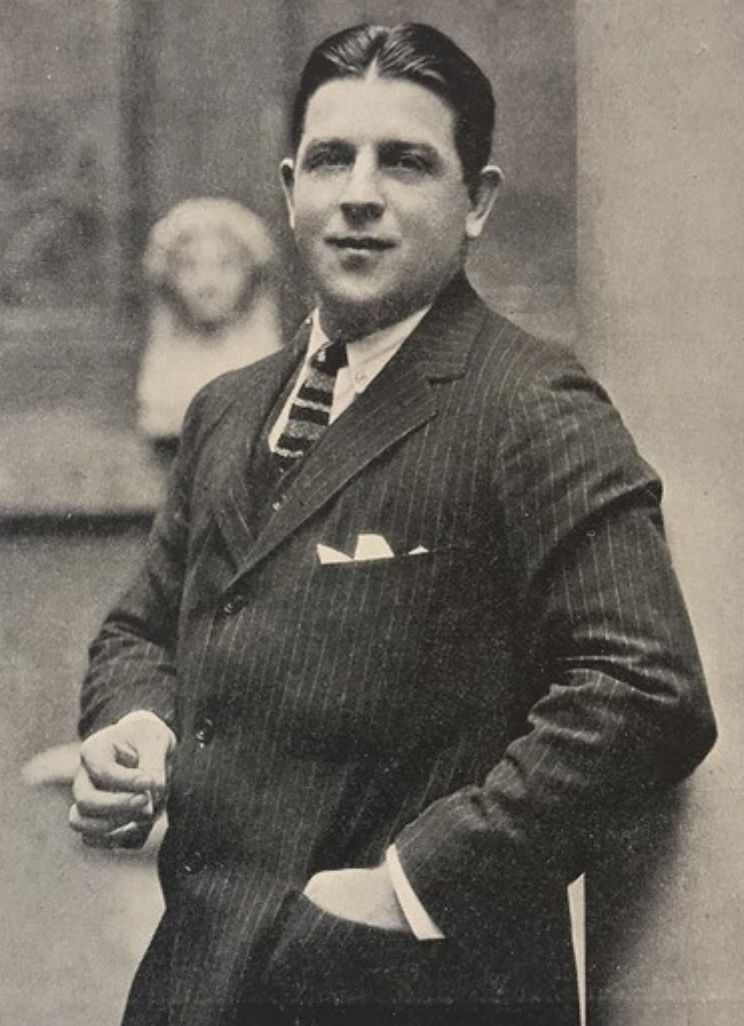
Heywood Broun

Heywood Broun

Heywood Broun

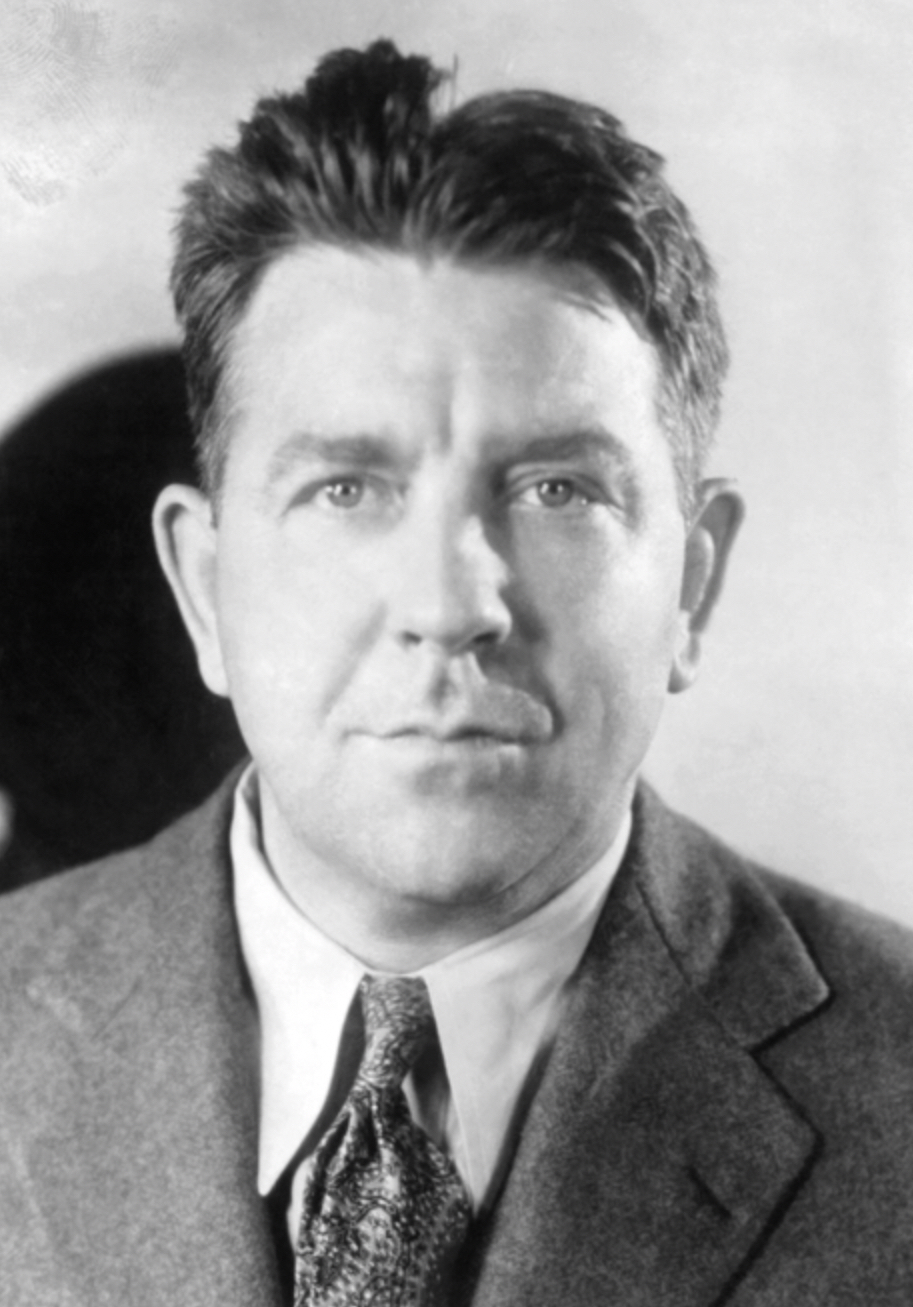
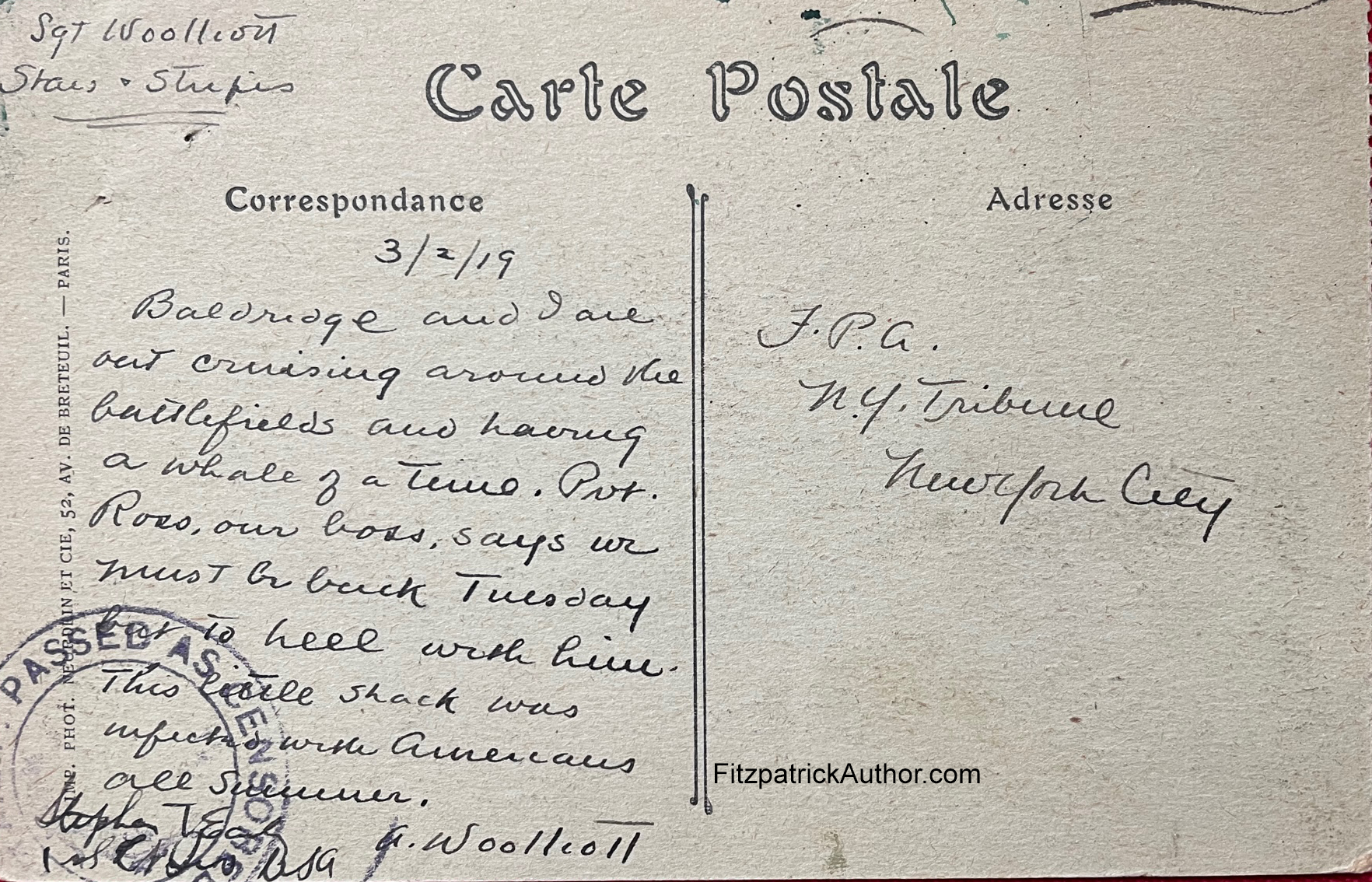
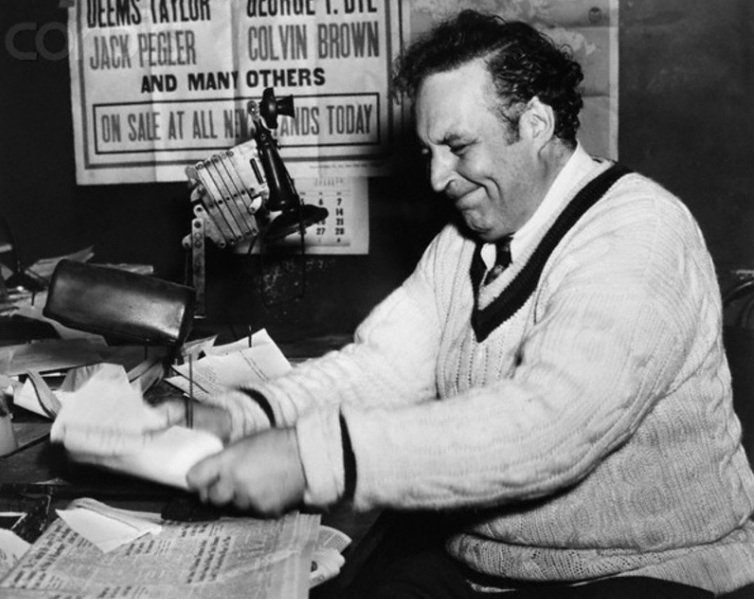
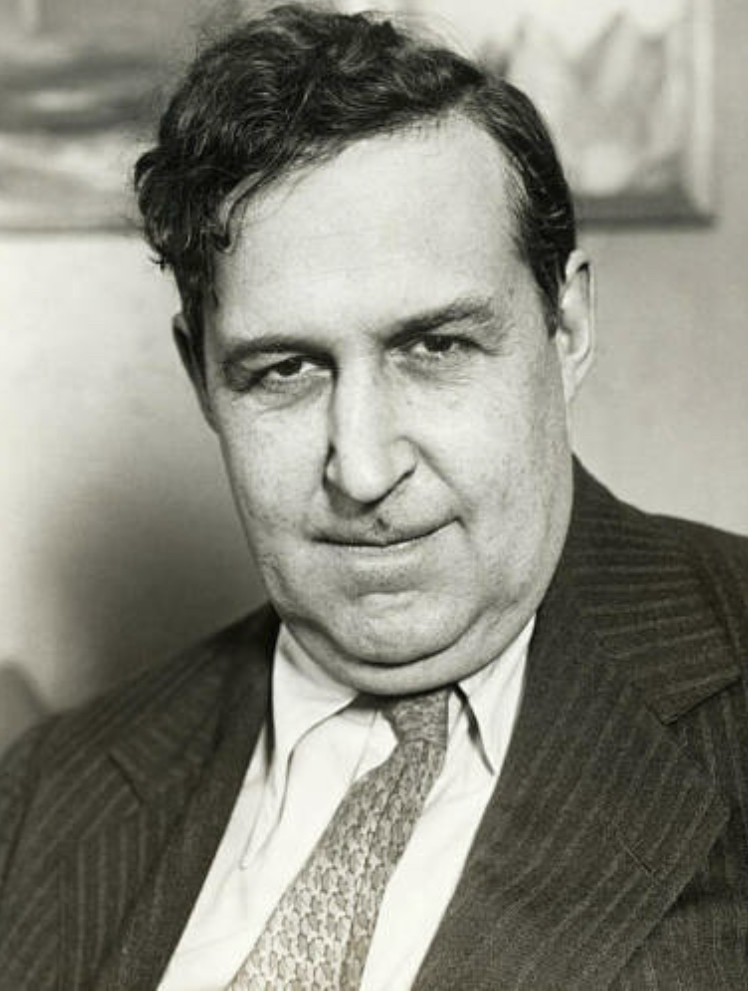
This is one of the very last columns that Heywood Broun ever published. Broun ran his own bi-weekly newspaper, Nutmeg (later called Broun’s Nutmeg) in Stamford, Connecticut, where he resided. It was in operation in the late 1930s, and was concurrent as he wrote a syndicated column “It Seems to Me” for Scripps-Howard and organized the Newspaper Guild. After his contract was allowed to lapse in late 1939, he moved to the New York Post. He only had one column appear in the paper, as he succumbed to pneumonia on December 18 at age 51. This column was written ten days before his death.

Old Newspaperman
By Heywood Broun
December 9, 1939

It happens suddenly. On a Tuesday, perhaps, you’re sitting around kidding back and forth in the City Room and maybe growing reminiscent about some story you covered quite a long time back. Yes, that’s the way it was. It gave an opening to a young squirt reporter and he said, “Uncle Heywood, how did you like Jenny Lind’s first concert?”

Now naturally I never saw Jenny Lind but I did ride in horse-driven buses on Fifth Avenue and I saw Admiral Dewey come parading across Washington Square and we all hollered because he had won the Battle of Manila and made America a world power.

Everybody got to calling me Uncle Heywood and at the drop of a hat I could be induced to talk about Matty and the old, old Giants. And when the mood gripped me I would even go back to the days of Dan McGann. You can always spot an old newspaperman by his tendency to talk and write of things in the past. Every one of us will insist that they don’t grow fighters like Fitzsimmons any more.

There isn’t any set time for becoming an old newspaperman but around fifty is the dangerous age and at fifty-one the line is definitely marked as the groove on the floor of the Alamo.

I’ve been fired in the Spring, the Summer and early Winter. I like it best in the Summer. Three times in thirty-one years isn’t so much to be fired. The first firing is often worse than the last. It’s very discouraging to get canned when you’re young. That’s the way it was with me. I was twenty-one and working on the Morning Telegraph. My stall in the old Eighth Avenue car barn was right next to Bide Dudley. He was getting $35 a week and my salary was $28. I wanted $30 but when I asked for it they fired me.

The next job was a long time coming. Fortunately I was a man of character and living at home and so I didn’t go into insurance or business but just borrowed money from my father and sat around for six months doing nothing. Eventually Burdick gave me a job on the Tribune.

He was a shy city editor and when he mentioned the salary he didn’t want to pronounce the fatal words. He gazed away off at a distant window and wrote on a piece of scratch paper $25. Newspaper work is like that. You can go perfectly straight down once you are over the top of the mountain but detours are necessary as you come up from the valley.

As a matter fact it was a mountain which made me. Burdick gave me the Tribune job on the strength of a recommendation from Fred Pitney, his star reporter. Pitney remembered that when I covered the E. H. Harriman death watch for the Evening Sun, I had crawled up through the woods at Arden and come right to the door of the big house. Getting there didn’t get me anything but a boot from the butler. Still after a year and a half Pitney remembered me as an energetic young man. I’ve seen that hill since and now I couldn’t walk it let alone make the grade on my belly.

Pretty nearly ten years went by before I got fired again. The World did it. I had gone onto the paper on my own volition and through the seductive influence of Mr. Swope.

The Sacco-Vanzetti case has something to do with it but only indirectly. First of all I went on a one-man strike because they said I wasn’t to write about the case anymore. They didn’t disagree with my opinions but they objected to violence of language. “Is Harvard to be known hereafter as Hangman’s House?” Was the sentence which made the trouble.

At the end of six or seven months the good shoemaker and the poor fish peddler were dead and things were patched up for me to go back to the paper. Getting fired was something of a surprise. Being bereft of topics I dashed off a little masterpiece for The Nation saying that I thought the editorial policy of The Morning World was a shade on the timid side. I believe I said, “The World on numerous occasions has been able to take two, three, or even four different stands with precisely the same material in hand. So constant were the shifts during the Sacco-Vanzetti case that the paper seemed like an old car going up a hill.”

Naturally I didn’t expect the editors to like it but after all The Nation isn’t so big and umbrage wasn’t in the scope of my vision. Blithely on the way home I bought a morning paper but I only looked at the sport page. Arriving home I was asked as I came in the door whether or not I had read The World. “Sure,” I replied, “Yankees win, Giants win, Dodgers lose.” Those were the old, old Giants.

“But have you seen your own page?” my wife persisted.

“I’m saving that up for later,” I told her.

“You needn’t,” she said, “you’re fired.”

And so I was. There in my old spot was a box explaining that Mr. Broun had been dropped on account of disloyalty. I did object to the word a little because the casual reader would hardly know whether I had robbed the till or sat on the editor’s hat.

Still it was Summer and I was full of energy and I went around opening my shirt to show my scars and having a fine time in general. And presently I got a job with Scripps-Howard which lasted eleven years. This ran out in the Winter.

Since Nutmeg is a publication which belongs to what the Parisians wittily call “Le Presse Confidentiale,” or French to that effect, I think I may reveal that the farewell conference with Roy W. Howard passed off in entire peace and amity.

He said, “I’ve talked it over with my associates and we’ve decided not to make you an offer. It would be just too much grief. The price of newsprint is going up and we think the place to cut expenses is among the high price specialists in order to protect the run of the mine reporter.”

“Roy,” I said (all Scripps Howard executives are known by the first name even to the humblest employee), “I can’t possibly make any squawk about that because I’ve made that same speech myself at dozens of Guild meetings.”

And so we shook hands and had a drink and everything was very pleasant. But I still think it is better to be fired in the Summer.

For more about Heywood Broun and his newspaper career, be sure to get a copy of The Algonquin Round Table New York, A Historical Guide (Globe Pequot Press).
Related Post

Kevin Wilkes and Peter Cruz.

Last Day for the Doormen of the Algonquin HotelLast Day for the Doormen of the Algonquin Hotel

Kevin Wilkes and Peter Cruz.

Visitors to the Algonquin Hotel will no longer see two of the legendary personalities greeting all visitors to the front door. On February 2, veteran doormen Peter Cruz and Kevin Wilkes retired on the same day together. At the Algonquin, Kevin had 32 years of service and Peter 46 years. The day before, the staff held a grand surprise retirement party for the pair in the Oak Room.

I caught up with them at their usual spot in the lobby, greeting guests, grabbing luggage, holding the doors open, and smiling and saying hello to all.

Peter started in the “back of the house” in the kitchen not long after his student days at LaGuardia High School for Music and Art. He was born on the Bowery to parents who had immigrated from Puerto Rico. Kevin is also a native New Yorker and an alum of Thomas Jefferson High in New Lots, Brooklyn.

The interview is edited and condensed for clarity.

Question: When did you guys start?

Kevin: 1992.

Question: What were you doing before you came here?

Kevin: Same thing, I actually worked over at the Drake Hotel.

Question: And how’d you get the job here?

Kevin: Where I worked it was slow over there and I went over to the union to try to get something, like a temporary (position), and they told me about this hotel. The personnel manager that worked at the Drake Hotel was at the Algonquin. They said, “I think you might know him. Go over.” Because it was only supposed to be a temp job because one of the guys had hurt his back or something. So, he was out for six months. It was like, “Well Kevin, this might just be a six-month thing.” And then once I came in, they were like, “Listen, he’s not coming back. You’re going to be here.” And I have been here ever since then. It was supposed to start as a temp job.

Question: What was this place like in the early nineties? What was the neighborhood like?

Kevin: I mean, it was the same. I mean the clubs. I think we were the only real hotel on the block other than the Iroquois. But our hotel stood out because of the history and everything, so that really made it nice.

Question: What about you? When did you start?

Peter: I started in 1978. I came here to work the back of the house, the stewarding position, and I was there for many years and within that I became store room person. I became the executive steward after a while and I always inquired about working at the front of the house. Finally, I was able to get a position there through the help of my coworkers. I’ve been here ever since.

Question: What year did you become a doorman? Is that the title?

Peter: Front service captain? Yeah, he was the bell captain, I was bell captain. And I’ve been here ever since and it’s been wonderful.

Question: When you started, how many bell staff were there?

Kevin: We had a full crew there. I believe it was…

Peter: Four or five.

Kevin: No, it was five. It was five.

Peter: Both staff…

Kevin: And three door members.

Peter: So, eight of us all together total in our section here.

Question: What do you like about the job?

Peter: For myself, the history, the people, the history back then. The cabaret. It was started when I started here. I saw Steve Ross stroll in one day and it’s been magical ever since.

Question: What keeps you here, Kevin?

Kevin: When I worked with the Drake, because it was a bigger hotel, they used to always tell me, “You don’t have time to talk to the guests. You got to keep it moving, you got to keep it moving.” And when I started here, it was like, “Wow, I get to socialize, I get to know the guests personally.” And that’s what I really liked about the hotel because you actually had a relationship with the guests and their experience in staying here. Also, they shared their history that they were telling me about at the hotel in those early years. So, it was really nice. I really enjoyed it.

Question: Who has been your favorite guest?

Kevin: It’s been so many. I think Maya Angelou took the words out of my mouth. To me, coming from the south, it was dealing with a respectful elder, like a great aunt or something like that. And she would just ask you how your family was. And I mean, I have her book that I’m taking home. I forgot I had it and she actually
autographed it. I took it home yesterday. It was like I was looking through the locker and cleaning it out. I was, wow, I forgot about this. I looked through it. Wow. She actually autographed it.

Question: That’s so cool.

Kevin: Really was. And also meeting the cabaret performers, they were all like family. They were the same performers. I remember, I think it was my second year and I got to meet Andrea Marcovicci as I was coming out the elevator. At that time, we were doing the New York Celebration here in the lobby and she called me over during her performance. The lobby was packed. And she says, “Come here.” She started serenading me. It was just like, “wow.” I couldn’t believe it.

Question: I believe it. She sang to my parents in the elevator.

Kevin: That’s Andrea for you. She’s so nice.

Peter: Harry Connick, Jr. He got his start here. Young guy. So nice, so friendly. From New Orleans… he played the Oak Room. Before he would go on, he would hang out with all of us staff in the kitchen. We loved him. He was so good with us, the kitchen, the dishwashers.

Question: Who’s somebody that you met that you didn’t think they were going to be so nice and was really great to you?

Kevin: There was one gentleman, his name was Mr. Kaufman. He actually owned, I think it was an Army and Navy store or something. I never forgot him. One time he called down and he said that he needed assistance with the luggage. So, in knowing him, I knew what he had. I kind of just went up by myself. It was a suitcase and a garment bag. And at that time our luggage carts were like shopping carts without the basket. And when I went up to get him, he actually screamed at me. He says, “Where’s the cart?” I said, “What cart? I can carry it down.” He says, “No, I want a cart.” So, I head back down, get the cart, and go up to him. But I thought it was hilarious. The two pieces of luggage.

Question: What’s it like here in the summer? What’s the difference between summer and winter working here?

Peter: Well, supposedly it’s supposed to be slow here in the summer, but for the past few years that has never been the case. It’s pretty good. There’s always a busy time in the city. People come to stay and for a lot of them it’s their first time. We end up getting a lot of repeat guests out of that because of the way we carry ourselves, the way the front desk carries themselves. And even after Cabaret was gone, they loved the atmosphere. Sure, sure. Yeah, definitely. And the location. That was something.

Kevin: That’s like a lot of groups. We had the Baker Street Irregulars year after year after year. I mean, how many years you think we had?

Peter: More than a decade.

Kevin: But it was nice working with groups like that and also seeing elder groups coming in that would tell you that how many years they came, like Mrs. White with her group, she would bring busloads in.

Peter: And what’s the name of the guy who comes all the time? The theater groups.

Kevin: Oh, George Harter.

Peter: George Harter. He used to come here and he still does. He still does. And he brings people here. He knows they are going to be taken care of. Proximity to Broadway. It’s one of our famous connections.

Kevin: I actually have got to send him a message though. Yeah. Just to let ’em know.

Peter: Yeah, absolutely.

Question: What’s the number one question people ask you every day?

Peter: They want to ask about the Round Table. What was that? Who was in there? What stories do you know about what went on with them? How eccentric was some of them, and so forth.

Question: How has it been working with the cat?

Peter: It’s been okay.

Kevin: It’s been okay. I mean, we work with more cats around. This is my fourth cat and this one is the friendliest out of all of ’em. The first cat, mixed reviews about it. Because that cat just always wandered outside. That cat would wander up to Sixth Avenue and sit on the corner and come back. Wow.

Peter: The first Matilda, right? Yeah. Yeah. She was a diva. Oh yeah. Oh yeah. I was here when we had Hamlet before that Matilda, I’ve been through five cats and that cat, there was actually a book written about him and with drawings by Hilary Knight. I have that book at home. It wasn’t autographed or anything, but it’s been written and I’m glad I have it.

Question: What’s something that kept you coming into work?

Peter: Something? My comrades. The camaraderie that we have here made for a good day every day. The front desk manager, it didn’t matter, the wait staff, but mostly our core group made for great days. It was always a pleasure to come to work, even if people called out, whatever. We found ways to make it work to the satisfaction of the management staff so they knew they could rely on upon us. And you don’t see that. I don’t think you could see that going forward as much as the times we had. Those were really good, great times. What more can I say about that? But it’s been incredible.

Question: What’s a tip you would give to someone reading this about New York City that nobody else knows?

Peter: Well. I say read your book. Read your book. Because that was a mountain of information. There are things in there that I never knew, and you’re quite the researcher and I’m glad I met you.

Question: Oh, thank you.

Peter: It’s been incredible, an incredible relationship. And even though I’m away, I look forward to always looking on the hotel and hopefully if you are around, stay in touch.

Question: What are you going to do in your retirement?

Peter: Well, my plan is to move to Puerto Rico. I have a home over there that was my parent’s. Now I inherited it and I’m going to make a life out of here. They say if you can make it here in New York, you can make it anywhere.

Question: So, from 44th Street to…

Peter: …Isabela, Puerto Rico.

Question: What’s a tip that you always give to people that are asking you about something?

Peter: Send them to the Blue Bar, which is really nice. We always try to promote the restaurant and the bar.

Question: I want to ask you, what’s the hotel like today from when you started your first day?

Peter: I would have to say, well, when I started here, all of these rooms down here were always full. The lobby, what was known as the Rose Room, the Chinese Room, and the Oak Room were always full. I know, because I was the dishwasher and we got all three outlets just dump everything on us every day.

It never stopped from the moment you started to closing time, normally at 12 Midnight, set up a buffet. It was just amazing and busy. This is when Ben and Mary Bodne had the place and they kept it up until they sold it. Then I think slowly, they started cutting back and they took the Blue Bar that was here and they put it over there, which was a good idea. But now the new owners, they have the Blue Bar here now, which is nice, but it’s different. It’s just way different. Their hours of operation are different. They’ve cut back everywhere. I guess it was needed. It’s just a different role now. But that’s fine. So that said, I think it’s a good time for me to fold it in and just say goodbye and wish everyone well and that includes you.

Question: Thank you so much, Peter and Kevin. We will all miss you.

Peter: Thank you.

Kevin: Thank you.

Read more about the history of the Algonquin Hotel in the only book about it, The Algonquin Round Table New York: A Historical Guide (Lyons Press).

citizen kane

Round Table Movies in the Library of CongressRound Table Movies in the Library of Congress

GIANT

Edna Ferber and James Dean on the set of Giant.

The Algonquin Round Table has many ties to film history. With so many writers and actors, it’s no wonder there are links to many classic Hollywood productions. Most of these names are in The Algonquin Round Table New York: A Historical Guide. Lucky for us, the Library of Congress National Film Registry is around.

Motions pictures that members of the Round Table contributed to, and that the Library of Congress has added to the National Film Registry. These films are to be preserved in the national archives for perpetuity:

A Night at the Opera (Harpo Marx, star; George S. Kaufman, screenplay)

Citizen Kane (Herman J. Mankiewicz, writer)

Duck Soup (Harpo Marx, star)

Giant (Edna Ferber, writer)

Showboat (Edna Ferber, writer)

It’s A Wonderful Life (Dorothy Parker, un-credited script doctor)

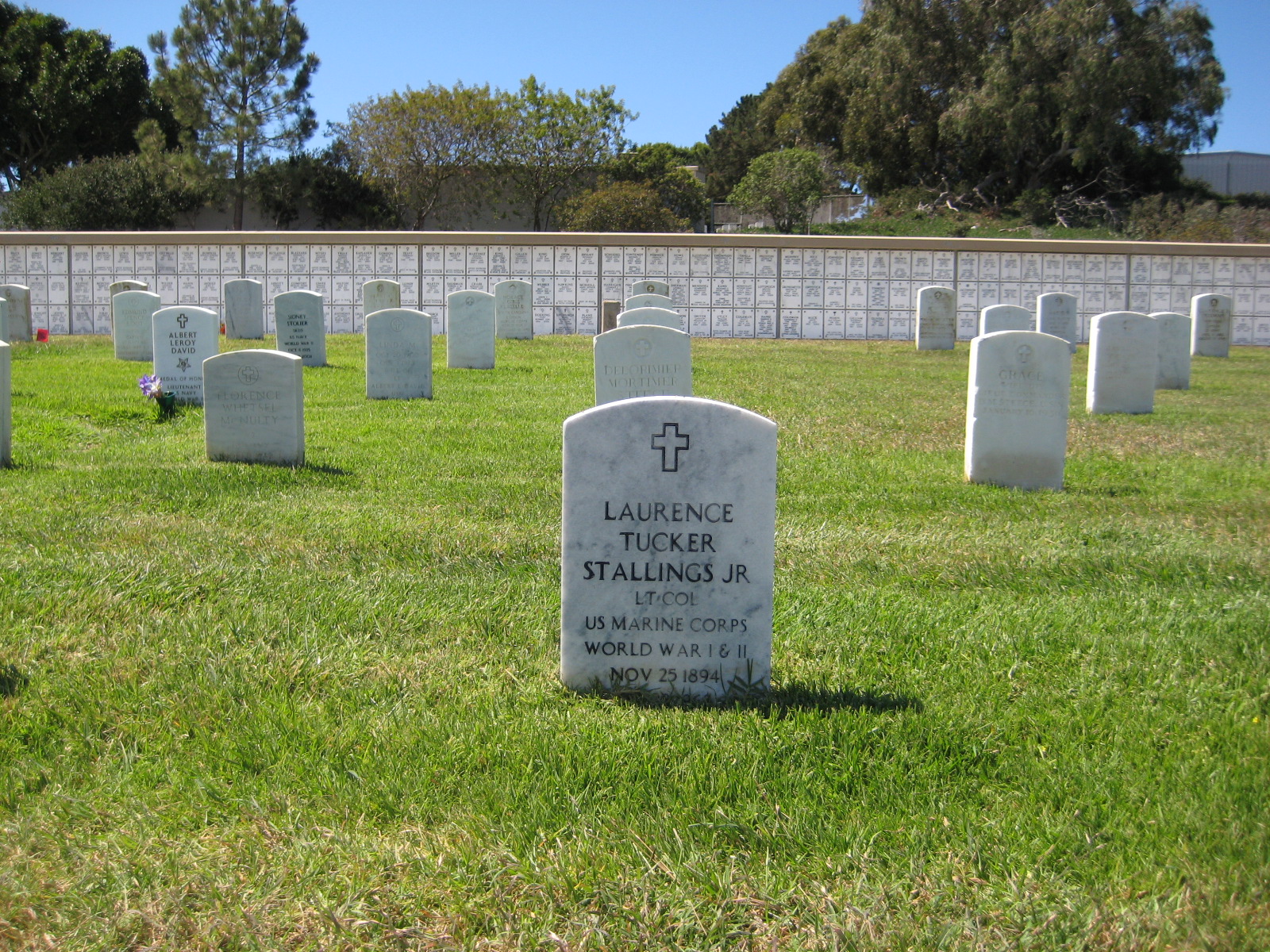
The Big Parade (Laurence Stallings, writer)

The Philadelphia Story (Donald Ogden Stewart, adapted screenplay)

The Sex Life of the Polyp (Robert Benchley, writer & star)

The Sound of Music (Peggy Wood, co-star)

How many have you seen? Do you think any were overlooked?

NYPL

Algonquin Round Table Conversation, January 31 at New York Public LibraryAlgonquin Round Table Conversation, January 31 at New York Public Library

The New York Public Library has launched the Community Conversations initiative. On Wednesday, January 31, 6:30 p.m., the Mid-Manhattan branch will host a lecture and conversation “Literary Life in New York: Then and Now” to focus on the Algonquin Round Table history. It will feature Kevin C. Fitzpatrick, author of The Algonquin Round Table New York: A Historical Guide.

The event is free and open to the public. It will be held in the Stephen A. Schwarzman Building, 42nd and Fifth Avenue (476 Fifth Avenue). Enter on the 42nd Street side entrance. Currently the Mid-Manhattan branch is closed for renovations and it is temporarily located in the flagship building of the NYPL.

About the evening: Mid-Manhattan Library is organizing a series of lectures and conversations around the life of the mind for the average New Yorker. Following each public lecture, librarians will facilitate a dialogue with the goal of connecting neighbors and building new relationships through meaningful dialogue about local issues.

The second talk in the series, “Literary Life in New York: Then and Now,” with Kevin Fitzpatrick, focuses on the Algonquin Round Table. In 1919—a century ago next year—The Algonquin Round Table first started having their famous luncheons at the Hotel Algonquin. Since that time a direct line can be drawn through New York from those 30 members of the Vicious Circle. Their impact on books, magazines, theater, film, and music is still around us today. In this talk, Kevin will give an overview of the history of the Algonquin Round Table, and lead us from the New York era of the Jazz Age and speakeasies to the modern era of streaming music and Twitter.

Following the talk, join us for a community conversation on creative life in New York. How has literary life changed in the digital age? Share your insights and join the dialogue. The brand new Community Conversations initiative at The New York Public Library introduces a space for discussion on local topics that matter most to you. Local librarians at select branches will co-facilitate these dialogues with community organizations, inviting anyone and everyone to the table to share and listen. Let’s create a truly democratic space where we can connect together through meaningful dialogue.

Space is limited, reserve free tickets here.