Algonquin Round Table News Al Hirschfeld Podcast Celebrates Round Table Century

Al Hirschfeld Podcast Celebrates Round Table Century

Al Hirschfeld Illustration

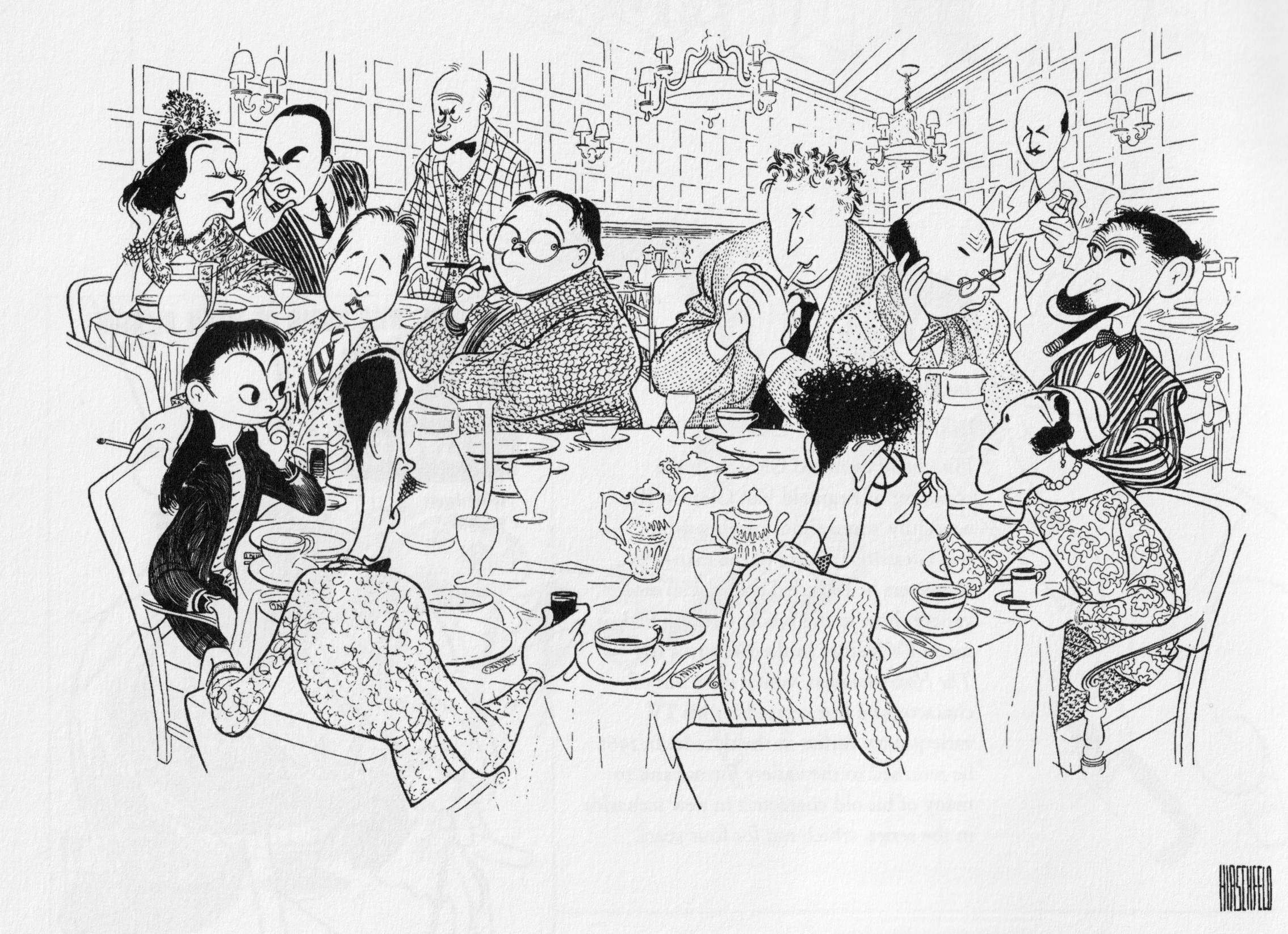
Kudos to David Leopold and Katherine Marshall-Eastman, co-hosts of the excellent Al Hirschfeld Century Podcast. The new episode celebrates the centennial of the Algonquin Round Table, which began in June 1919. There is currently the third annual Hirschfeld gallery of art on display in the Algonquin Hotel lobby. David and Katherine, who run the Al Hirschfeld Foundation, review most of the names in the famous drawing of the Vicious Circle from 1962. David has an encyclopedic knowledge of old shows and stars, and ticks off the history of all the members. Katherine displays an excellent knowledge of people who have been dead for 75 years, and gamely plays along while David schools her in Algonquin trivia. It’s a fantastic podcast. Be sure to visit the hotel while you can to see the artwork on display.

Related Post

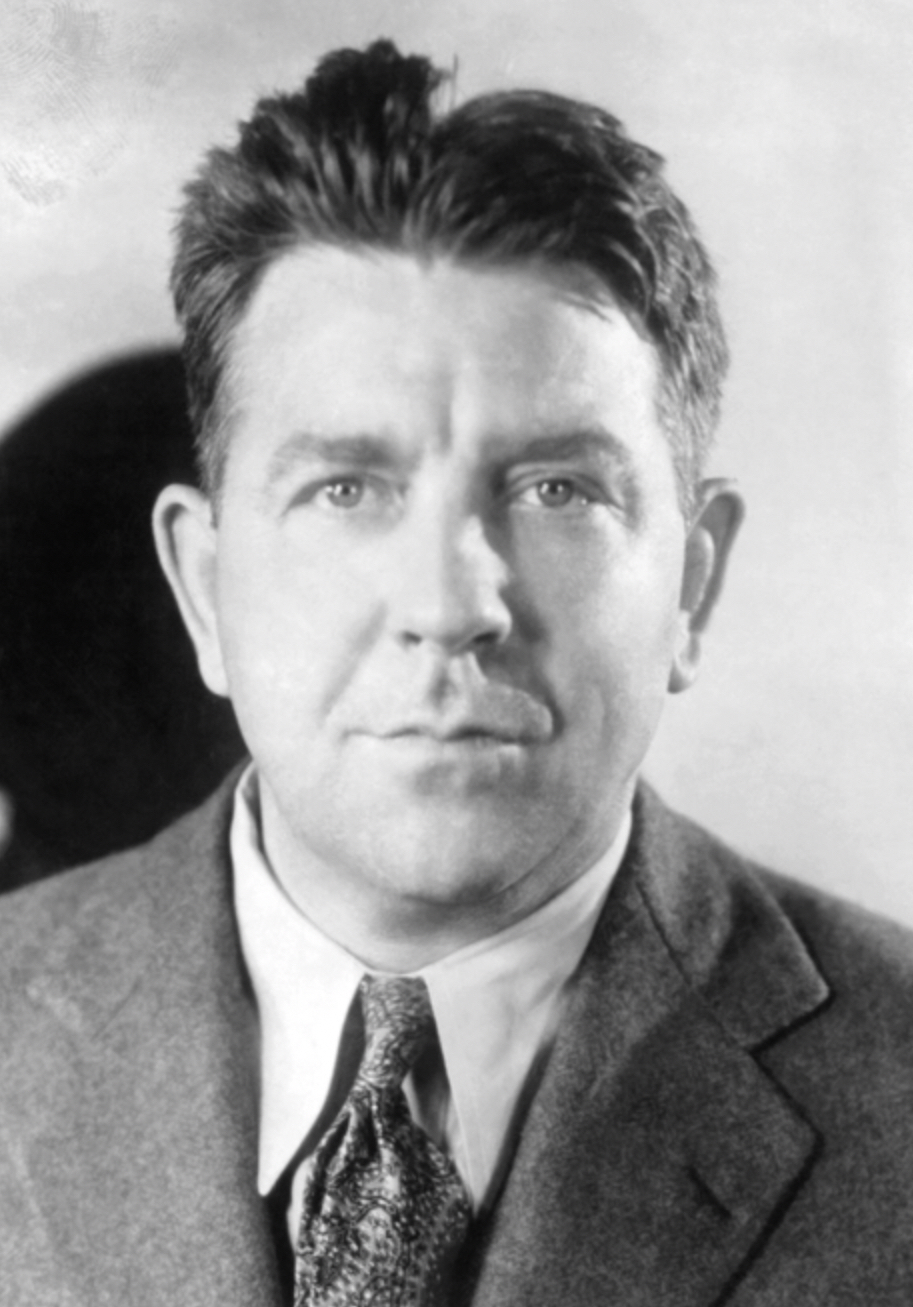
Laurence Stallings

A Look at Laurence Stallings, WriterA Look at Laurence Stallings, Writer

Laurence Stallings

Laurence Stallings

Laurence Tucker Stallings is mentioned about three times a year by the pop culture world. Usually it has to do with his screenwriting hits The Big Parade or She Wore A Yellow Ribbon appearing on television. There has only been one book about him, a not very good academic tome (by Joan T. Brittain, Laurence Stallings, Twain, 1975). When I was working on the book, I did reach a person who was connected to his late children. The man was so unhelpful, and unpleasant, that I am still incredulous at his lack of wanting to perpetuate the life story of Stallings. Today is the anniversary of his birth, in 1894, which is a good reason to present some of my information about him.

I’ve always liked the Stallings story. He served as a U.S. Marine in World War I, and was grievously wounded. Stallings joined the staff of the New York World in 1922 to write book reviews and editorials. The war veteran was passionately liberal; when he referred to a black man as “Mr.” in print, he angered readers in his Georgia hometown.

Stallings and Maxwell Anderson were both working at the World when they decided to collaborate on a play. Stallings, who’d lost a leg in combat as a Marine, knew he wanted to write an antiwar drama. The pair co-wrote What Price Glory? for producer-director Arthur Hopkins, and it exploded at the Plymouth Theatre on September 5, 1924. It was the first play to use the profanity-laced speech of soldiers, and its grim view of war was riveting. The story of First Sergeant Quirt (William Boyd) and Captain Flagg (Louis Wolheim) in the trenches of France, the script used Stallings’ experiences in World War I. It ran for 433 performances and got the playwrights contracts in Hollywood.

Not much is ever written about him, and a lot is not accurate or focuses just on his movies. Here is a little more on an overlooked American writer.

The Algonquin Round Table considered Laurence Stallings a hero because of his sacrifices as a WWI combat veteran; many members had also served in the A.E.F. His combat experience would provide him the inspiration to write passionately about war in a bestselling book, a gritty Broadway drama, magazine stories and fiction, and a smash hit silent film.

Laurence Tucker Stallings, Jr., was born November 25, 1894, in Macon, Georgia. He graduated from Wake Forest with a B.A. in 1915. His first job was a reporter on the Atlanta Constitution in 1915.

In 1917 Stallings enlisted in the Marines and was sent to France, where he participated in some of the bloodiest campaigns of the war. He received a battlefield commission, and took over command of a Marine outfit. At the Battle of Belleau Wood near the Marne River, Stalling was wounded in June 1918. Awarded the Purple Heart and the Croix de Guerre, Stallings spent eight months recovering in France before being shipped home after the Armistice was signed.

Once home, he married his college sweetheart. Helen Poteat was the daughter of the Wake Forest president, William Louis Poteat. The wedding was on March 6, 1919, at the campus in Winston-Salem. After the wedding, the couple moved to Washington, D.C., where Stallings joined The Washington Times as a reporter and earned his M.A. from Georgetown. His writing career was taking off, however, Stallings never fully recovered from his combat injuries, and in 1922 had to have his right leg amputated.
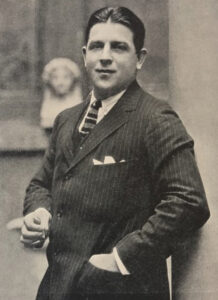
Laurence Stallings

Laurence Stallings

After recuperating Stallings and his wife moved to New York, where he joined the World. A tall, dark-haired, good-looking Southerner, Stallings sometimes came to the Algonquin Hotel wearing his artificial leg, other times he’d walk in on a crutch. His newspaper co-workers Heywood Broun and Deems Taylor introduced him to the Vicious Circle after it was an established institution.

In 1924 Stallings was writing book reviews three days a week for the World. He was tapped by executive editor Herbert Bayard Swope to be on the “Op. Ed” page with Franklin P. Adams, Heywood Broun, Frank Sullivan, and Alexander Woollcott. He shared an office with Maxwell Anderson, at the time a fellow editorial writer. They collaborated on their first play, What Price Glory? for the powerful Broadway producer Arthur Hopkins, who’d also staged Don Marquis’ hit play The Old Soak. With What Price Glory? Stallings was able to share his real-life experiences about the trauma and heartbreak of soldiers in combat. It was a hit at the Plymouth Theater, 236 West 45th Street, and ran for more than a year.

But he was not finished with the Great War. His novel, Plumes, was a contender for the 1925 Pulitzer Prize, but it was edged out by another Algonquin regular, Edna Ferber, for her novel So Big. Broun weighed in on the subject in his column:

“I have heard that Plumes, by Laurence Stallings, was the second choice of the committee, but this is not official, as the body does not announce any honorable mentions. At any rate, Plumes should be high up on the list. There are things in Plumes which seem to me better than any portion of So Big, but it is a less evenly developed book and is justly placed below Miss Ferber’s novel. If there were such a thing as a pentathlon, or all around prize, Laurence Stallings could not be shut out from victory, since he wrote a novel which proved a contender and collaborated with Maxwell Anderson on a play which ranked near the top.”

His novel was adapted for the silent movie epic The Big Parade that same year, and was among the first blockbusters in the pre-talking pictures era. Directed by maverick filmmaker King Vidor, The Big Parade played to sell-out crowds across the nation. A railroad car was used to transport the orchestra, lighting, and personnel from town to town. The film, made just seven years after the conflict, was the first to show the gritty side of the war on the big screen. The central character, played by John Gilbert, like Stallings, also loses a leg in battle.

Stallings and his wife had two children together during their rocky 17-year marriage. In December 1936 Stalling’s wife sued him for divorce in Reno, Nevada, charging him with cruelty. In a private trial a judge granted the divorce and the 17-year union was over. He walked away from his family and gracious estate in North Carolina, and never saw them again. Stalling was free to marry a girlfriend, Louisa St. Leger Vance, a 25-year-old writer. On March 18, 1937, the couple was married in Manhattan at her parents’ home, 410 East 57th Street. They had two children. Stallings moved to Hollywood, where he remained for the rest of his life.

In the 1930s Stallings had a tumultuous decade. He couldn’t choose between literature or motion pictures. He was close to Robert Benchley and could be spotted at “21” together; both men had the same issues of working for art or commerce. In 1934 Stallings became an editor of Fox Movietone News (offices 460 West 54th Street), and resided at 50 East 77th Street. In 1935 Fox sent him to Ethiopia for what turned out to be a two-year assignment. He was looking for the start of the next war with four cameramen and 50,000 feet of film as they waited for Mussolini to invade. Stallings filed stories for the New York Times on the conflict, and then returned home to America. He abandoned his first wife and two small daughters after his 1937 remarriage. When the U.S. entered World War II, Stallings went back on active duty with the Marines in 1942. He served as an intelligence officer in the Pentagon, and attained the rank of lieutenant colonel.
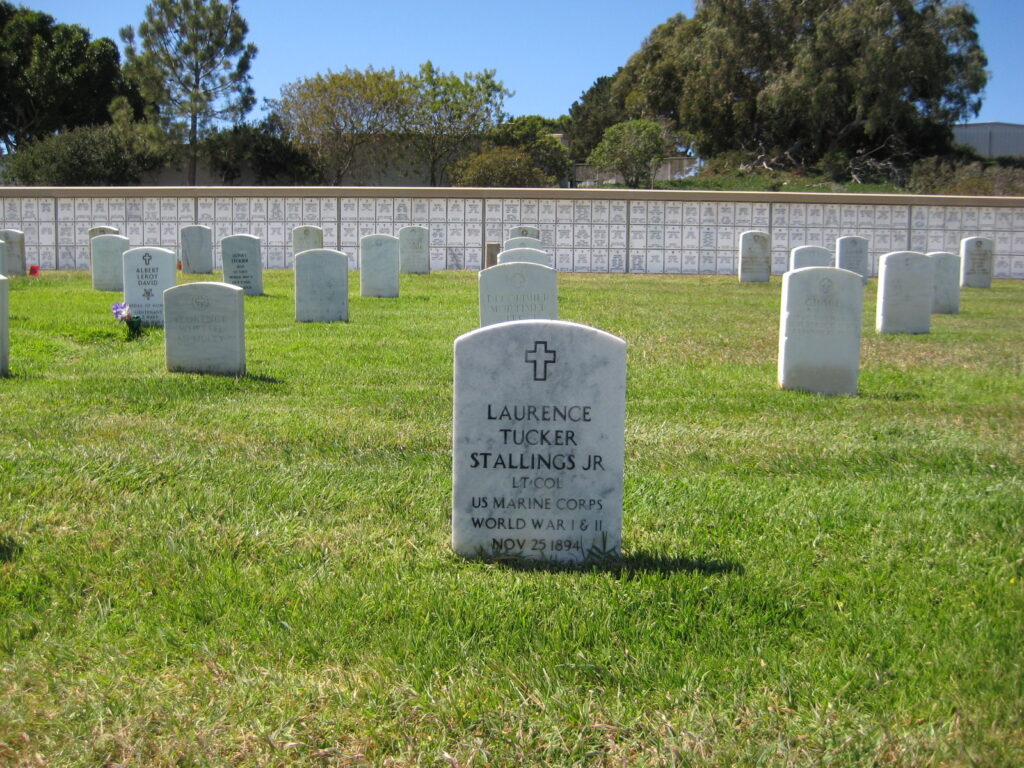
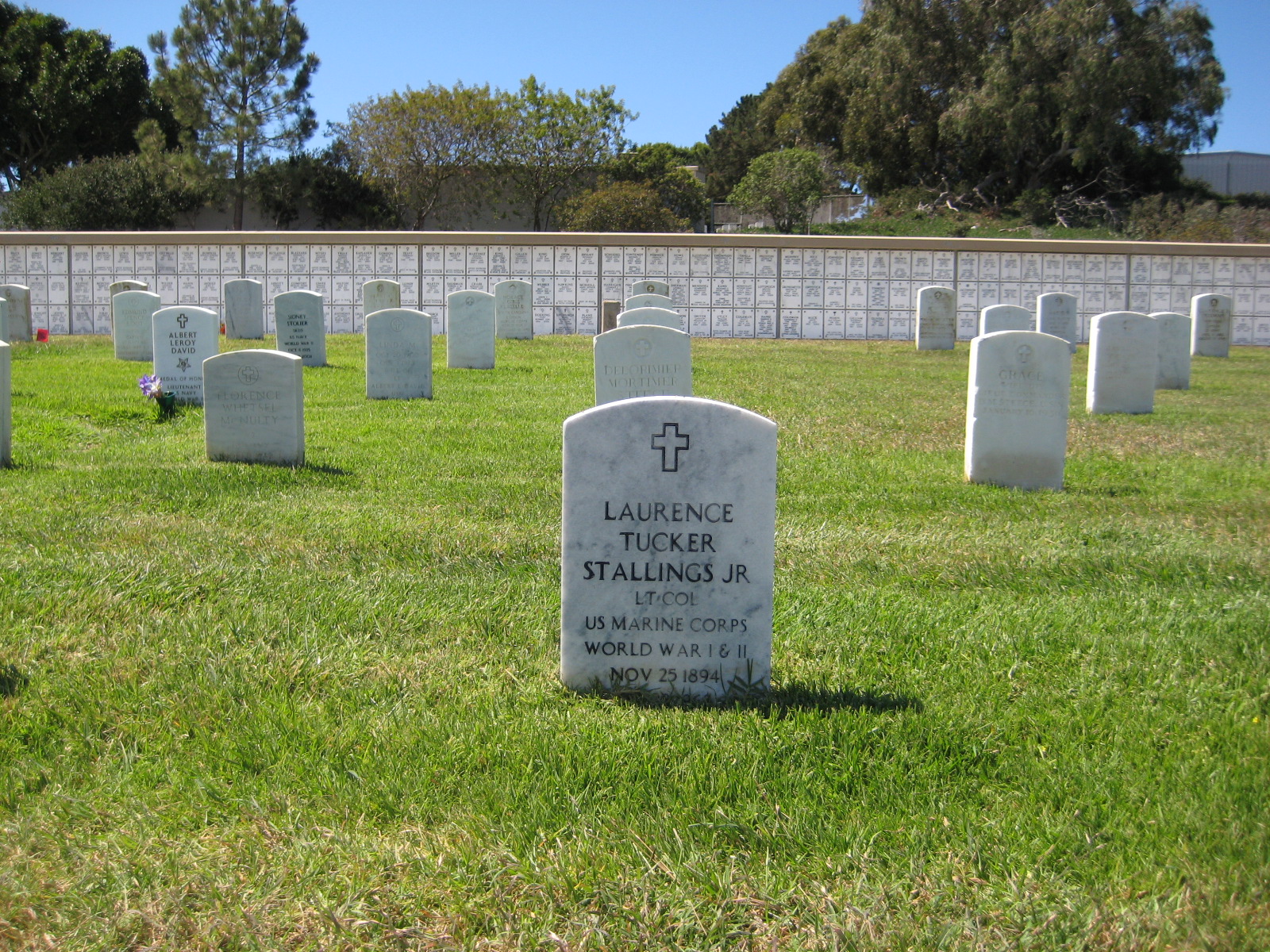
Laurence T. Stallings gravesite. Photo: Nigel Quinney.

Laurence T. Stallings gravesite. Photo: Nigel Quinney.

Stallings returned to California to write screenplays, magazine articles, and books. He lived in Pacific Palisades and his health deteriorated. Doctors had to remove his other leg in 1963, the same year he published a stirring account of World War I, The Doughboys. Stallings died on February 28, 1968, at his home. He received a military burial with a Marine Corps honor guard. Stallings is interred outside San Diego in Ft. Rosecrans National Cemetery.

Adapted from The Algonquin Round Table New York, A Historical Guide (Globe Pequot Press). Order the book here.
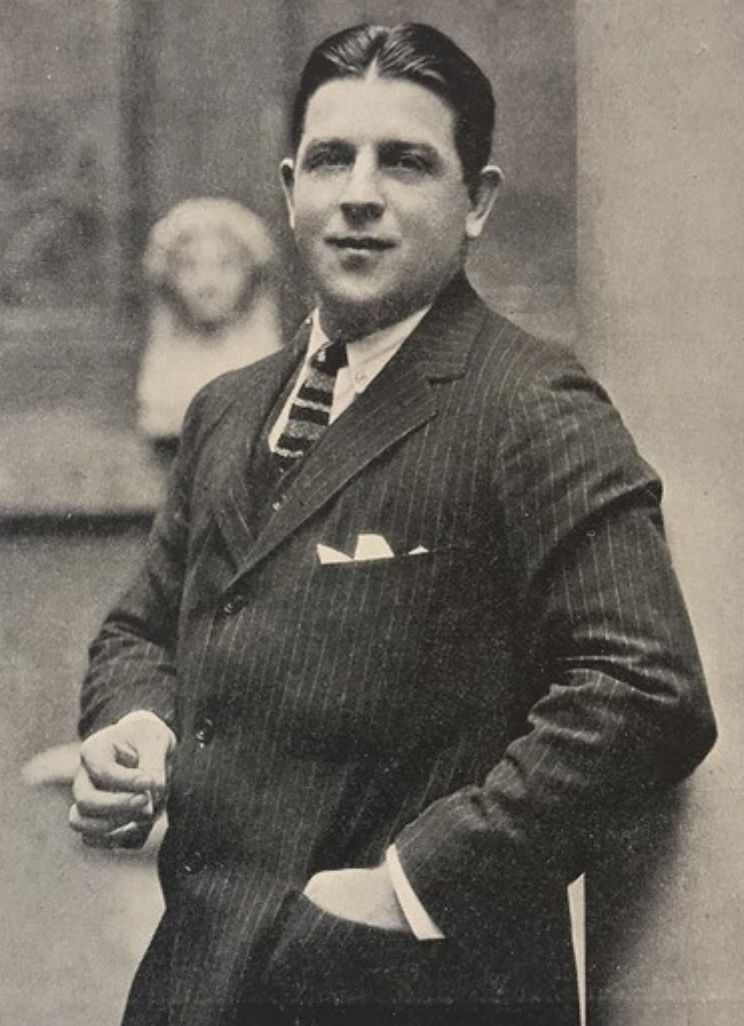
Heywood Broun

Heywood Broun on Being Fired in the Spring, Summer, and Winter (Summer is Best)Heywood Broun on Being Fired in the Spring, Summer, and Winter (Summer is Best)

Heywood Broun

Heywood Broun

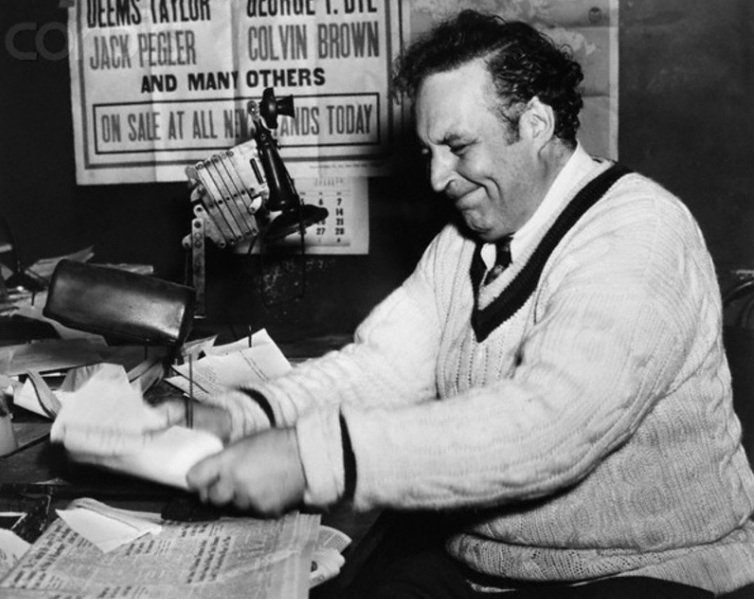
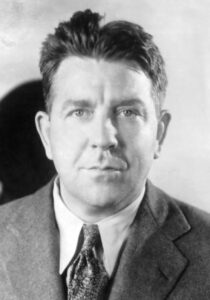
This is one of the very last columns that Heywood Broun ever published. Broun ran his own bi-weekly newspaper, Nutmeg (later called Broun’s Nutmeg) in Stamford, Connecticut, where he resided. It was in operation in the late 1930s, and was concurrent as he wrote a syndicated column “It Seems to Me” for Scripps-Howard and organized the Newspaper Guild. After his contract was allowed to lapse in late 1939, he moved to the New York Post. He only had one column appear in the paper, as he succumbed to pneumonia on December 18 at age 51. This column was written ten days before his death.

Old Newspaperman
By Heywood Broun
December 9, 1939

It happens suddenly. On a Tuesday, perhaps, you’re sitting around kidding back and forth in the City Room and maybe growing reminiscent about some story you covered quite a long time back. Yes, that’s the way it was. It gave an opening to a young squirt reporter and he said, “Uncle Heywood, how did you like Jenny Lind’s first concert?”

Now naturally I never saw Jenny Lind but I did ride in horse-driven buses on Fifth Avenue and I saw Admiral Dewey come parading across Washington Square and we all hollered because he had won the Battle of Manila and made America a world power.

Everybody got to calling me Uncle Heywood and at the drop of a hat I could be induced to talk about Matty and the old, old Giants. And when the mood gripped me I would even go back to the days of Dan McGann. You can always spot an old newspaperman by his tendency to talk and write of things in the past. Every one of us will insist that they don’t grow fighters like Fitzsimmons any more.

There isn’t any set time for becoming an old newspaperman but around fifty is the dangerous age and at fifty-one the line is definitely marked as the groove on the floor of the Alamo.

I’ve been fired in the Spring, the Summer and early Winter. I like it best in the Summer. Three times in thirty-one years isn’t so much to be fired. The first firing is often worse than the last. It’s very discouraging to get canned when you’re young. That’s the way it was with me. I was twenty-one and working on the Morning Telegraph. My stall in the old Eighth Avenue car barn was right next to Bide Dudley. He was getting $35 a week and my salary was $28. I wanted $30 but when I asked for it they fired me.

The next job was a long time coming. Fortunately I was a man of character and living at home and so I didn’t go into insurance or business but just borrowed money from my father and sat around for six months doing nothing. Eventually Burdick gave me a job on the Tribune.

He was a shy city editor and when he mentioned the salary he didn’t want to pronounce the fatal words. He gazed away off at a distant window and wrote on a piece of scratch paper $25. Newspaper work is like that. You can go perfectly straight down once you are over the top of the mountain but detours are necessary as you come up from the valley.

As a matter fact it was a mountain which made me. Burdick gave me the Tribune job on the strength of a recommendation from Fred Pitney, his star reporter. Pitney remembered that when I covered the E. H. Harriman death watch for the Evening Sun, I had crawled up through the woods at Arden and come right to the door of the big house. Getting there didn’t get me anything but a boot from the butler. Still after a year and a half Pitney remembered me as an energetic young man. I’ve seen that hill since and now I couldn’t walk it let alone make the grade on my belly.

Pretty nearly ten years went by before I got fired again. The World did it. I had gone onto the paper on my own volition and through the seductive influence of Mr. Swope.

The Sacco-Vanzetti case has something to do with it but only indirectly. First of all I went on a one-man strike because they said I wasn’t to write about the case anymore. They didn’t disagree with my opinions but they objected to violence of language. “Is Harvard to be known hereafter as Hangman’s House?” Was the sentence which made the trouble.

At the end of six or seven months the good shoemaker and the poor fish peddler were dead and things were patched up for me to go back to the paper. Getting fired was something of a surprise. Being bereft of topics I dashed off a little masterpiece for The Nation saying that I thought the editorial policy of The Morning World was a shade on the timid side. I believe I said, “The World on numerous occasions has been able to take two, three, or even four different stands with precisely the same material in hand. So constant were the shifts during the Sacco-Vanzetti case that the paper seemed like an old car going up a hill.”

Naturally I didn’t expect the editors to like it but after all The Nation isn’t so big and umbrage wasn’t in the scope of my vision. Blithely on the way home I bought a morning paper but I only looked at the sport page. Arriving home I was asked as I came in the door whether or not I had read The World. “Sure,” I replied, “Yankees win, Giants win, Dodgers lose.” Those were the old, old Giants.

“But have you seen your own page?” my wife persisted.

“I’m saving that up for later,” I told her.

“You needn’t,” she said, “you’re fired.”

And so I was. There in my old spot was a box explaining that Mr. Broun had been dropped on account of disloyalty. I did object to the word a little because the casual reader would hardly know whether I had robbed the till or sat on the editor’s hat.

Still it was Summer and I was full of energy and I went around opening my shirt to show my scars and having a fine time in general. And presently I got a job with Scripps-Howard which lasted eleven years. This ran out in the Winter.

Since Nutmeg is a publication which belongs to what the Parisians wittily call “Le Presse Confidentiale,” or French to that effect, I think I may reveal that the farewell conference with Roy W. Howard passed off in entire peace and amity.

He said, “I’ve talked it over with my associates and we’ve decided not to make you an offer. It would be just too much grief. The price of newsprint is going up and we think the place to cut expenses is among the high price specialists in order to protect the run of the mine reporter.”

“Roy,” I said (all Scripps Howard executives are known by the first name even to the humblest employee), “I can’t possibly make any squawk about that because I’ve made that same speech myself at dozens of Guild meetings.”

And so we shook hands and had a drink and everything was very pleasant. But I still think it is better to be fired in the Summer.

For more about Heywood Broun and his newspaper career, be sure to get a copy of The Algonquin Round Table New York, A Historical Guide (Globe Pequot Press).

Ruth Hale, feminist

Ruth Hale the IconoclastRuth Hale the Iconoclast

Ruth Hale

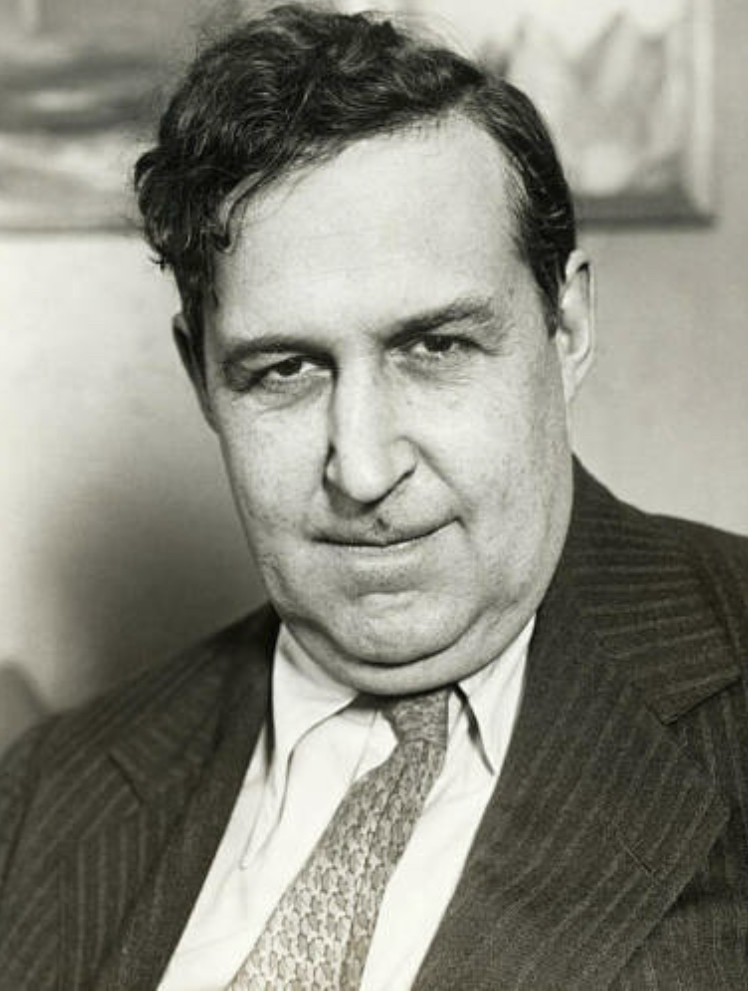
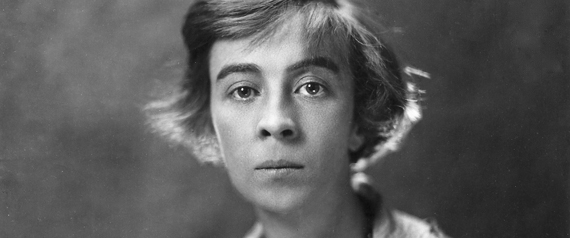
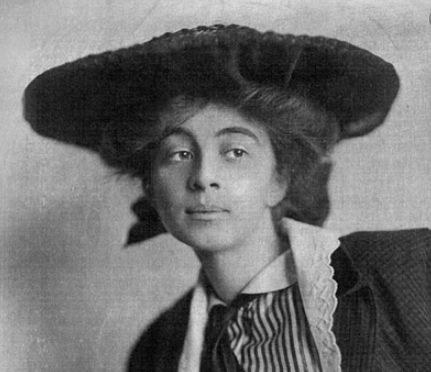
Ruth Hale, circa her post-college days.

There was no bigger iconoclast sitting at the Algonquin Round Table than Ruth Hale; None of the members had a gloomier end to their life than she did. She is one of the six female Algonquin regulars that are overlooked. Today Hale is completely forgotten by everyone except the most serious American women’s rights scholars, a name lost to history for a cause she deeply believed in. Hale devoted all of her time and energy to equal rights during the Jazz Age.

The writer-publicist was married to Heywood Broun—but nobody dared call her Mrs. Broun. Hale was the co-founder, with Jane Grant, of the Lucy Stone League, an organization whose motto was “My name is the symbol for my identity and must not be lost.” A biographer termed Hale “nearly fanatical” about women’s rights. She attacked “head-on and without humor, except for mordant satire.” Hale’s cause led her to fight for women to be able to preserve their maiden name—legally—after marriage. Hale sued the U.S. State Department and challenged in the courts any government edict that would not recognize a married woman by the name she chose to use.

Hale was Southern by birth, but she did not fit the stereotype of easygoing grace, charm, and humility. She was born in Rogersville, Tennessee, on July 5, 1886. Her father was an attorney and her mother a high school mathematics teacher. When she was ten her father died and three years later Hale was sent to boarding school at the Hollins Institute (today Hollins University) in Roanoke, Virginia. At sixteen she left to attend Drexel Academy of Fine Art (today Drexel University) in Philadelphia, where she studied painting and sculpture. But writing was her true calling.

When Hale was eighteen she became a journalist in Washington, D.C., writing for the Hearst syndicate. Hale was a sought-after young socialite, and attended parties at the White House when President Woodrow Wilson was in office. She worked at the Washington Post until she went back to Philadelphia to become drama critic for the Public Ledger. She also dabbled in sports writing, which was uncommon for women to do at the time. At an early age, Hale was working in a man’s world. One of her biggest accomplishments was to lose her Southern accent, which she took pride in achieving.

Hale moved to New York City about 1915 and was a feature writer for the Times, the Tribune, Vogue, and Vanity Fair. Hale also did a bit of acting, and posed for artistic nude portraits for fashion photographer Nickolas Muray. She became a sought-after theatrical publicist, and worked for the top producers on Broadway.

She was introduced to Broun at a New York Giants baseball game at the Polo Grounds. They were married on June 6, 1917. When Broun was sent to France to report on the war, she went along too, writing for the Paris edition of the Chicago Tribune. The couple left Paris before the war ended when Hale became pregnant. Returning to New York, the couple set up house on the Upper West Side at 333 West 85th Street. The unusual marriage had Hale on the first floor and Broun occupying the second floor.

In 1918 Hale gave birth the couple’s only child, Heywood “Woodie” Broun III (later as a sports broadcaster, Woodie added his mother’s name to his, and was professionally known as Heywood Hale Broun). The couple led completely separate lives. Broun even squired actresses and showgirls around town.
Early in 1921 she took a stand with the U.S. State Department, demanding that she be issued a passport as Ruth Hale, not as Mrs. Heywood Broun. The government refused; no woman had been given a passport up until that time with her maiden name. She was unable to cut through the red tape, and the government issued her passport reading “Ruth Hale, also known as Mrs. Heywood Broun.” She refused to accept the passport, and cancelled her trip to France. So did her husband.

In May 1921 she was believed to be the first married woman to be issued a New York City real estate deed in her own name, for an apartment house on Manhattan’s Upper West Side. Not long afterward, she was chosen president of the Lucy Stone League. Broun was among the men present; other Lucy Stoners were Franklin P. Adams and his second wife, Esther Root, Janet Flanner, Jane Grant, Beatrice Kaufman, and John Barrymore’s playwright wife Michael Strange (Blanche Oelrichs). In August 1927 Hale took a leading role in protesting the executions of accused anarchists Sacco and Vanzetti. She traveled to Boston as part of the defense committee, along with Dorothy Parker and John Dos Passos. The men were put to death despite international protests. The campaign had a galvanizing effect on her, leading her to fight against capital punishment.

Ruth Hale

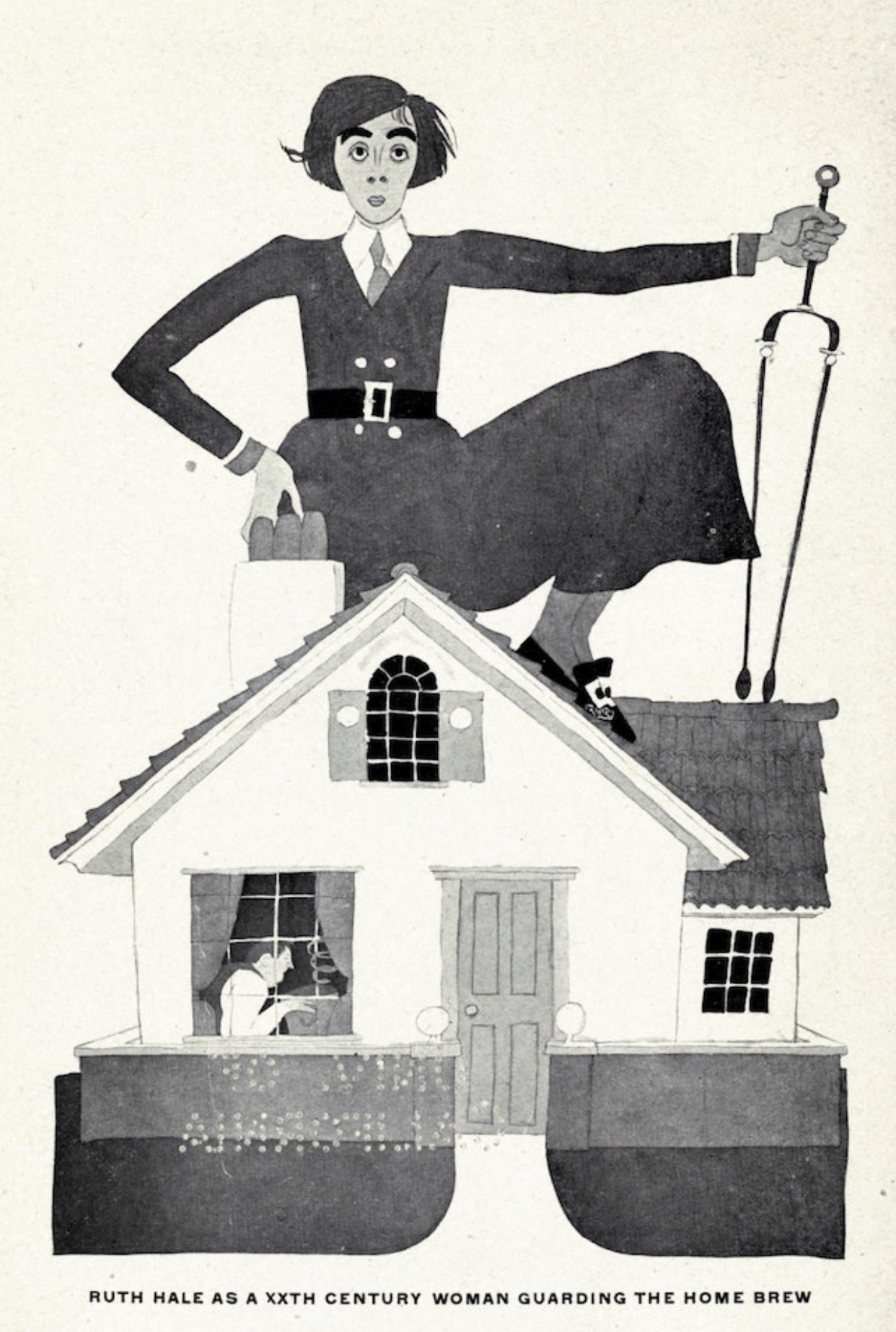
Ruth Hale (illustration by Ralph Barton) from the collection Nonsenseorship (1922). Broun can be seen in the window, running a still.

During the 1920s Hale continued to write. She was among the earliest contributors to The New Yorker’s “Talk of the Town” in 1925. Hale worked as a theatrical press agent and reviewed books for the Brooklyn Eagle. She also ghost wrote many of Broun’s columns and reviews. As the decade closed, Hale spent considerable time on women’s rights causes and less time in journalism. Hale and Broun were quietly divorced in Nogales, Mexico, in November 1933.

The last years of her life were filled with sadness. At one time she was a lively and feisty presence on the metropolitan scene, writing for the best newspapers and magazines, married to the supreme raconteur, and hosting brilliant house parties on the Upper West Side. But as the Twenties drew to a close she withdrew from life and spent her days alone at Sabine Farm, in Stamford, Connecticut, living in a rural shack with almost no amenities, cutting herself off from her old friends and alienating Broun and their teen-age son, Woodie.

By late 1933 she had been a recluse for almost five years. She went to Mexico, and obtained a quiet divorce, on the grounds she and Broun lived apart for more than five years. It did not come out in the papers until three months later. By then she was telling friends, “ ‘Ruth Hale, spinster,’ I like it quite well. I can go back to my friends as Ruth Hale. At least I won’t have that god-awful tag, ‘Mrs. Heywood Broun.’ ”

However, the divorce did little to calm her soul. She was forty-seven and not well. “After forty a woman is through,” she told a friend. “I’m going to will myself to die.” Her health deteriorated rapidly. She lost the use of her legs. Hale became weak and stopped eating and refused medical care. On September 18, 1934, she lapsed into unconsciousness at Sabine Farm. Broun rushed her to Doctors Hospital, 170 East End Avenue, but it was too late. Her son said later, “At her own wish she was cremated, and because she had not wanted one, there was no sort of memorial service. One day she was there and the next day she was gone…”

Hale’s mother took her ashes back to her Tennessee hometown without telling Broun or their son. She secretly buried her daughter’s remains in the family plot in the Old Rogersville Presbyterian Cemetery, under a headstone that completely ignored any of her accomplishments. It omits her lifetime’s passion for independence and feminism:

Ruth Hale
Daughter of Annie Riley and J. Richards Hale
And For 17 Years the Wife of Heywood Broun

Adapted from The Algonquin Round Table New York: A Historical Guide (Globe Pequot Press). Book information here.